
Home › Nursing Home Falls
Nursing Home Falls: When a Fall Is Neglect
Falls in nursing homes do not always mean someone did something wrong, but federal rules make every home work to keep them from happening. A fall can signal neglect when the home left a resident without supervision, overlooked hazards it knew about, or did not stick to that resident's care plan.
Think a resident was hurt or neglected?
Call 1-833-892-8135Calls go to a law firm that advertises on Nursing Home Violations.In danger right now? Call 911. To report the home, see how to report abuse.
In the Federal Inspection Records
| Rule | Citations | Homes cited | Harm-or-danger citations |
|---|---|---|---|
| F689: Accident Hazards and Supervision | 21,343 | 10,076 | 6,927 |
Harm or danger counts the citations lettered G to L, part of the citation total. A citation is an inspector's finding against the home, not a lawsuit. It can support a claim but does not prove one.
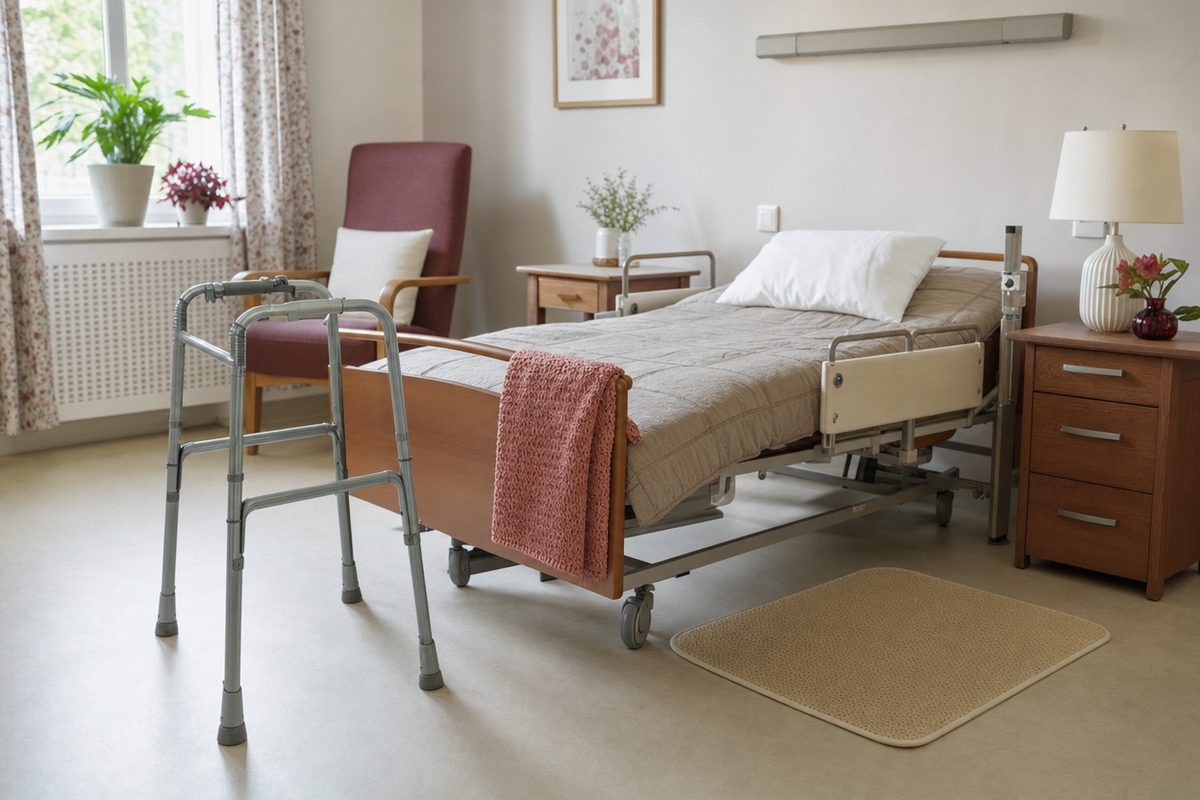
The Federal Rule on Accidents and Falls
Falls are covered by the Quality of Care part of the federal regulations, found at 42 CFR 483.25(d). The rule says a home has to keep the environment around residents as free from accident hazards as possible. Each resident must also get enough supervision and the right assistance devices so accidents do not happen.
Care has to meet professional standards, honor what the resident wants, and match the resident's care plan. That plan is the written document the home creates for each person, laying out what they need and how staff will provide it. Residents who struggle with movement are owed the services, equipment, and hands-on help that let them stay as independent as they can. This rule has stayed the same since the start of 2017.
Signs a Fall May Have Been Neglect
Families can use the rule itself to weigh whether a fall might count as neglect. These questions track what the home has to do:
- Did staff know the resident was at risk of falling, and did the care plan reflect that risk?
- Did the resident get the walker, assistance, or supervision the plan required?
- Were there dangers in the room or hallway the home could have taken care of?
- Did the family learn about the injury promptly?
A home has to notify the resident, their physician, and a relative at once when there is an injury or a decline. Skipping that step is its own separate violation.
Bed Rails and Falls
Facilities sometimes use bed rails to stop a resident from rolling out of bed, though federal rules put limits on them. The home has to try other options first before installing one. Staff must also look at whether the resident could get trapped by the rail.
On top of that, the home has to lay out the risks and benefits for the resident or their representative and obtain consent. The bed needs to suit the resident's size and weight. Rails have to go in and be maintained exactly as the manufacturer directs.
Filing a Nursing Home Fall Lawsuit
If you're thinking about legal action, a good first step is to check whether the home has already been cited for failing to prevent accidents. If it would help to talk it over, you can call to reach a law firm that advertises on this site. For help that isn't an emergency, you can call the Eldercare Locator. Inspection records can reveal whether inspectors have already caught the home coming up short. When inspectors record something like this, it is called a citation, meaning a written notice that a federal rule was broken.
In the current CMS records, which cover standard inspections and complaint visits over roughly the last three inspection cycles, 6,927 citations under the accident and supervision rule found residents harmed or in immediate danger. Inspectors have written it up 21,343 times at 10,076 homes, with 6,927 of those citations involving residents who were hurt or at immediate risk.
| Rule | Citations | Homes | Citations finding harm or immediate danger |
|---|---|---|---|
| Accident hazards and adequate supervision | 21,343 | 10,076 | 6,927 |
| Care and treatment following orders | 16,456 | 8,337 | 2,071 |
| Notifying family and physician about an injury | 5,932 | 4,303 | 444 |
| Sufficient food and fluids | 5,099 | 4,046 | 610 |
Elopement and Wandering in Nursing Homes
Elopement is when a resident walks out of the home or away from a safe area without staff noticing. It goes hand in hand with wandering, and the Alzheimer's Association reports that six out of every ten people with dementia will wander at least one time. Anyone with dementia faces this risk at any stage, and wandering can put a life in danger.
Red flags include asking to "go home" while already at home, being restless, and pacing. When someone's confusion gets worse later in the day, wandering tends to happen from early evening onward. Taking care of basics like toileting, food, and water brings the risk down. Door alarms and pressure mats can also let staff know when someone is moving or opening a door.
Many people who wander turn up within 1.5 miles of where they disappeared. When a person with dementia has not been located within 15 minutes, the Alzheimer's Association recommends calling 911 to report a missing person. It also recommends letting police know the individual has dementia.
Does Choking in a Nursing Home Count as Neglect?
It can fall under the same duty to give adequate supervision so accidents are prevented. Homes also have to help every resident maintain a healthy weight and take in enough fluids. If a doctor or another health care provider prescribes a special diet for someone with a nutrition problem, the facility has to provide it.
A home that disregards a prescribed diet, or leaves someone who needs eating assistance by themselves, can be cited. The food and fluids rule has been cited 5,099 times, with 50 of those at the immediate danger level.
Checking a Home's Record for Falls
The record for every home on this site is drawn from the federal Care Compare files and refreshed each month. Those records span 14,690 nursing homes. Across them, 9,248 citations reached the immediate jeopardy level. That is the gravest level there is, and it means residents faced imminent risk of serious harm. You can search for any home by entering its name, city, or ZIP. It is also possible to compare two or three homes side by side.
Records Worth Keeping
- Dated notes of what you saw and who you spoke with
- Photos of injuries, the room and the bed
- The care plan and any incident reports you were given
- Hospital and doctor records since the injury
- The admission papers, including any arbitration agreement
- The home's federal inspection record
Check the home's federal record
You can look up any Medicare or Medicaid certified home here: its inspection findings, any federal fines and its star ratings. Search a home by name, city or ZIP, or open the flagged homes in your state.
Want to talk about what happened?
Call 1-833-892-8135Calls go to a law firm that advertises on Nursing Home Violations.Frequently Asked Questions
Do nursing homes have to report falls?
A home has to inform the family and the physician about an injury immediately. It also has to report suspected neglect to the right authorities within the required time. Homes have been cited 8,832 times for reporting suspected abuse or neglect improperly.
What should you do when a nursing home resident falls?
When there is an emergency, the Justice Department says to dial 911. Suspected neglect can be reported to Adult Protective Services, the state agency responsible for investigating abuse of older adults. Contact information for every state and territory is listed by the National Adult Protective Services Association.
How is an unwitnessed fall handled?
If nobody saw the fall, you can ask whether the resident received the supervision and assistance devices they needed and whether staff followed their care plan. A home has to respond appropriately to every allegation of a violation. Homes have been cited 5,612 times for not doing that.