
Home › Nursing Home Medication Errors
Nursing Home Medication Errors: What Counts and How Often
If you're worried about nursing home medication errors or how a home handles your relative's medicines, knowing what the home is required to do can help you ask questions. Federal rules require each home to keep residents free of any significant medication errors. Inspectors review the home's medicine practices, and what they find goes into the home's public record.
Think a resident was hurt or neglected?
Call 1-833-892-8135Calls go to a law firm that advertises on Nursing Home Violations.In danger right now? Call 911. To report the home, see how to report abuse.
In the Federal Inspection Records
| Rule | Citations | Homes cited | Harm-or-danger citations |
|---|---|---|---|
| F760: Significant Medication Errors | 4,951 | 3,743 | 788 |
| F759: Medication Error Rate of 5 Percent or More | 4,822 | 3,881 | 6 |
Harm or danger counts the citations lettered G to L, part of the citation total. A citation is an inspector's finding against the home, not a lawsuit. It can support a claim but does not prove one.
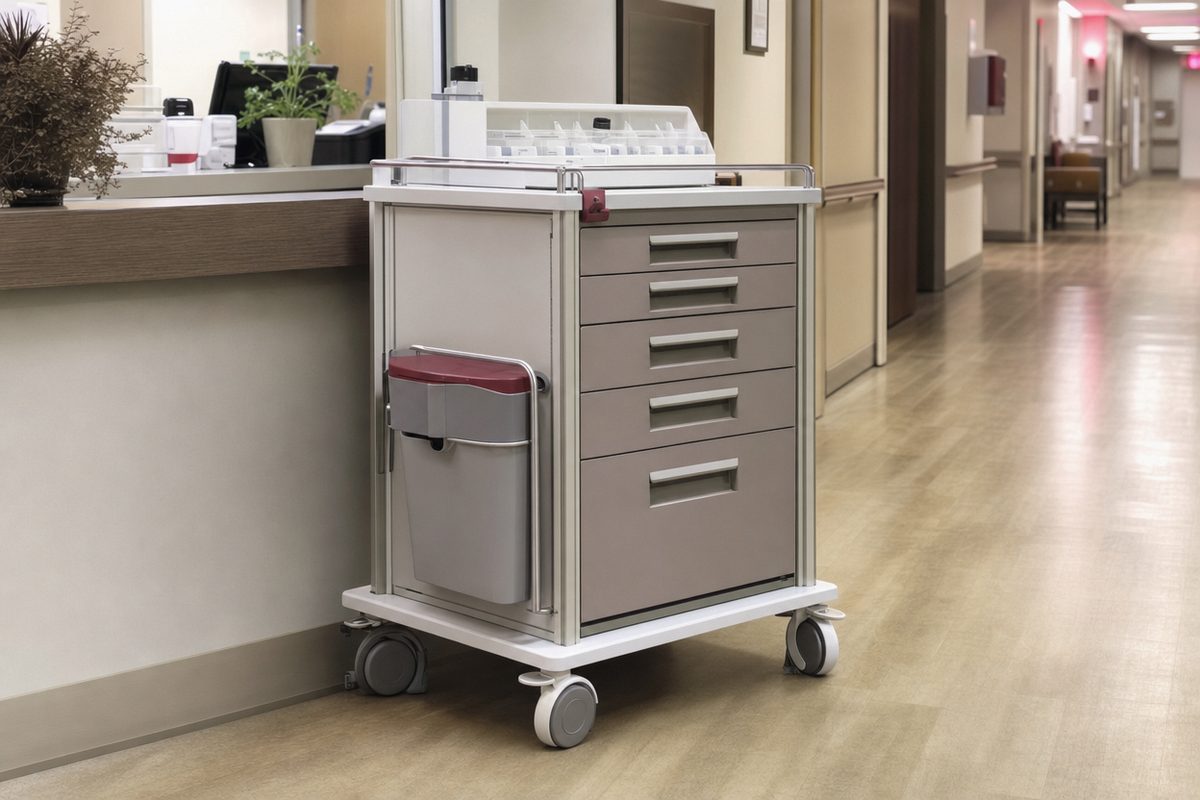
Two Federal Rules on Medication Errors
The federal standards work in two ways. The first says a single serious medication mistake involving a resident is one too many. The second caps the home's overall medication error rate below 5 percent.
Either rule can be broken on its own. If inspectors find a failure, they issue a citation. A citation is the formal finding that the home missed a federal standard. That citation becomes part of the home's record.
How Often Are Medication Problems Cited?
These citations are common. The current CMS records show the main citations tied to medicines:
| Rule | Times cited | Homes cited | Harm or immediate danger | Immediate danger only |
|---|---|---|---|---|
| No significant medication mistakes | 4,951 | 3,743 | 788 | 336 |
| Error rate under 5 percent | 4,822 | 3,881 | 6 | 6 |
| Psychotropic drug limits | 4,901 | 4,104 | 25 | 5 |
| No unneeded drugs | 3,373 | 2,783 | 49 | 23 |
To put that in context, the CMS provider file lists 14,690 nursing homes. Across all topics, the records include 418,947 health citations, covering roughly the past three inspection cycles.
Of the 4,951 citations for significant medication errors, 788 involved residents being hurt or placed in immediate danger. Error-rate citations almost never reach that level, and only 6 did.
Too Much Medicine: Unnecessary Drugs
The rules don't just cover giving the wrong medicine. They also cover giving too much. A resident's drug regimen means every medicine the resident takes, plus the dose and timing. Every regimen has to be free from unnecessary drugs, such as a dose set too high or a drug kept going too long.
Psychotropic Drug Rules
Psychotropic drugs affect the mind and mood. Federal rules place medicines such as anti-psychotics, anti-depressants, anti-anxiety drugs, and hypnotics in this group, as well as others.
People on these drugs must get gradual dose reductions and behavioral approaches, aimed at stopping the drugs. These steps are not required when there is a clinical reason they would be inappropriate for the resident.
Sometimes these medicines are ordered "as needed" rather than on a schedule. Those orders are limited to 14 days, and to extend one, the prescriber has to write down why and for how long. For anti-psychotics, the order cannot be renewed after 14 days unless the prescriber first evaluates the resident.
Reading a Home's Medication Citations
You'll find medication citations in a home's inspection record alongside everything else inspectors found. Each one shows whether a resident was hurt or placed in immediate danger: the most serious findings, so look at them first.
When you read a home's record, notice which rule was broken. An error-rate citation means mistakes were too frequent, while a significant-error citation means one mistake was serious enough to matter on its own. These counts describe what inspectors found, not the odds that your relative will be harmed. Looking at the specific rule and level cited tells you more than the total alone.
Check the home's federal record
You can look up any Medicare or Medicaid certified home here: its inspection findings, any federal fines and its star ratings. Search a home by name, city or ZIP, or open the flagged homes in your state.
Want to talk about what happened?
Call 1-833-892-8135Calls go to a law firm that advertises on Nursing Home Violations.Questions People Ask
Who reviews a resident's medicines monthly?
A licensed pharmacist has to review every resident's drug regimen at least monthly. That review must look at the resident's medical chart, not just the medicine list.
What happens if the pharmacist spots a problem?
The pharmacist has to report it to the attending physician, the home's medical director, and the head of nursing, and those reports must be acted on. At a minimum, the written report names the resident, the drug, and the problem found.
May a doctor leave the medicine unchanged?
Yes. If the physician decides to leave the medicine unchanged, the physician should note the reason in the resident's medical chart.
How can I check a specific home's record?
You can look up any home by name, city or ZIP at https://nursinghomeviolations.org/ and see its medication citations, or put two or three homes side by side with the compare tool. The records come from the CMS Care Compare files, refreshed monthly, and the rules are in section 483.45.